Back-to-school shopping that actually makes a difference
by FARAH MOHAMED, Globe and Mail
When the beginning of the school year rolls around and parents and kids go shopping for school supplies, most of them would not fathom having to share one pencil with 29 other kids. In Libore, a small village in the Republic of Niger, Africa, children, were doing exactly that – that is, until 2005, when Robin Mednick started to raise funds ($500,000 to date) to send more than 6,000 kilograms of pens, pencils, rulers, geometry sets and notebooks, reaching most of the 6,000 students there.
“In December, 2005, my friend Dan Galbraith [now vice-chairman of P4K] told me he had just returned from the Francophone Games in Niger, and was devastated by the poverty. He said Canadian athletes had visited a school in Libore and noticed that 30 children were sharing a single pencil. My heart broke, and I simply said, ‘Dan, let’s do something.’”
First step
“I called the Canadian consulate in Niger, to ask if they could distribute supplies if we sent them. They connected me with Amadou Madougou, the mayor of Liboré. We spoke that night, he sent a list of necessary supplies [pencils, paper, notebooks, rulers, erasers, chalk, slate boards and textbooks] and the next day I approached Michael Williams, then manager of Business Depot.”
Success
“Roumanatou Moussa Zanguina, 20, lives five kilometres from school. She was not eligible for a scholarship last year so she did everything in her power to get one this year. Every day she walked 20 kilometres to and from school to learn. It worked! She did so well that this year she has received a scholarship and is in her final year.”
Donations
“$5 can buy a textbook; $100 can build a desk shared by three children (many are still sitting on the hard ground); $600 can sponsor a scholarship for one girl for one year – this includes her uniforms, books, supplies and tutoring in four subjects for the entire school year; $2,000 can sponsor a kindergarten.”
Challenges
“We no sooner build a school, and it is overflowing with students. We invest money in teaching girls to sew, and sometimes they must leave school early to assist their families in the field.”
Any doubts?
“The first time I wondered if we would ever get off the ground, was when I placed my first call to DHL Canada to ship over our very first test box with supplies. The cost was extremely high. It was the first stumbling block. So I faxed a letter to the president of DHL requesting assistance, and within 30 minutes he agreed to help. Over the years, DHL has shipped many boxes for us at no expense.”
Describe yourself
“I am unlikely to take “no” for an answer when confronted with obstacles. I not only believe in thinking out of the box, I don’t understand why there is a box.”
Personal hero
“Winnie the Pooh, he builds meaningful relationships and is genuine, loyal and trustworthy. And somehow he manages to negotiate challenges with sweetness and kindness.”
What keeps you going?
“Two girls, Halimatou Tiémogo and Halimatou Soumana, recipients of our scholarships, shared their money and books with a third girl who hadn’t qualified for a scholarship. These are the moments that keep me going.”
What is next?
Our Farmers of the Future pilot program which teaches 200 kids in Grades 4, 5 and 6 to view agriculture as a business. By building mini-farms near primary schools, children irrigate the gardens, tend tree nurseries, tackle environmental issues, and learn to market their produce and invest their earnings.
Celebrity sponsor?
“Jian Ghomeshi: I would be honoured if he brought his compassion for people, insight, wit and wisdom to help further our cause.”
This interview has been condensed and edited.
Farah Mohamed is president & CEO of the G(irls)20 Summit. Send suggestions for Action Figure to livebetter@globeandmail.com.
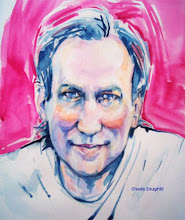
Robin Mednick, 58, is the co-founder, president and executive director, Pencils for Kids (P4K), pencilsforkids.com.
Popular Posts
-
Keta Ghana Fruit Stand - Photo by Peter Schnurman A friend once told me that India has over 600 varieties of Mango, which must make mang...
-
Vibrant, warm and festive, Ghana represents a beacon of hope for Africa and the world. Here are some images from Googoliath: USA Presiden...
-
Ghana Actresses Models Singers Goddesses Here are some of the most gorgeous, sexiest, and stunningly beautiful ladies in Ghana and women ab...
-
Pics of Hotties in Bikinis Alrighty lads and lasses, I'm off for a 5-day vacay to beautiful Orillia, Ontario, to celebrate my Mom's birt...
-
Portrait of An African Princess, by Floris Jespers Queen Kiya of Ancient Egypt African Queen - Photo by Nana Kofi Acquah ...
-
West African Black Beauty extraordinaire!!! Here are some images of the stunningly beautiful Miss Universe Ghana 2010, the wondrous wo...
-
Ghana recording artist Becca Ghana Culture Music Politics Art Life Here are a few stories making the headlines around Accra, Tamale and ...
-
Talented and gorgeous Serena Williams, seen in silhouette Ten of the World's Ultra-Beautiful Ladies, presented alphabetically These ten...
-
Sports Illustrated Swimsuit Edition models Damaris Lewis, Alyssa Miller and Kenza Fourati Glorious Damaris Lewis featured in Sports Illu...
-
Divine Ghana Actresses Models Singers Goddesses Dayan Kodua Billie-Richael Kwayie Awai Amidu! Bernice Thia MORE Divine Ghana Ac...
Thursday, March 1, 2012
Saturday, February 25, 2012
Ghana Gospel Awards to launch Summer 2012


In view of the enormous contributions of stakeholders to gospel music in Ghana, Ghana Gospel Music Awards (GGMA) deem it appropriate to award gospel musicians, song writers, producers, distributors etc. who have diligently and industriously upheld gospel music in Ghana in July this year.
The much awaited gospel music awards in Ghana was necessitated by the organizers desire and determination to recognize excellence in gospel music that has won the hearts of fans across Africa.
Chief Executive Officer (CEO) of JAKA EVENTS, Joseph Asare Kwabena Adjei, and organizer of GGMA said: “It become very frustrating for many gospel musicians that the exceptional and diverse talents that abound in gospel music in Ghana in particular have not been accorded the attention needed from the mainstream music gatekeepers”.


New Ghana Gospel Music Awards Slated For July kickoff
Mr. Joseph Asare noted that “these awards are unique in the sense that it’s an all-time and the entries for the categories will span from 1990 to 2012.” He added that “this time period has become necessary because GGMA wants to bring to the fore pioneers who in ‘yester-years’ showcased their classical talent in gospel music and aroused the appetite of the gospel loving public.”Mindful of various kinds of genres in the gospel music industry, GGMA will consider for eligibility gospel music that are:
Substantially based upon historically orthodox Christian truth contained in or derived from the Holy Bible; An expression of worship of God or praise for His works and /or;Testimony of relationship with God through Christ and/or; Obviously prompted and informed by a Christian world view.

Seventeen categories have been identified for the awards. These are: BEST OVERALL GOSPEL SONG; BEST FEMALE GOSPEL ARTISTE; BEST MALE GOSPEL ARTISTE; BEST NEW (DISCOVERY) GOSPEL ARTISTE; BEST GOSPEL WORHIP SONG; BEST GOSPEL MUSIC VIDEO; BEST GOSPEL CHOIR; BEST GOSPEL GROUP; BEST GOSPEL PRAISE MUSIC; BEST GOSPEL FOLK/TRADITIONAL MUSIC; BEST CONTEMPORARY GOSPEL MUSIC; BEST GOSPEL COLLABORATION; BEST GOSPEL SONG WRITER; BEST GOSPEL MUSIC PRODUCER; BEST GOSPEL SONG DISTRIBUTOR; BEST GOSPEL MUSIC ACHIEVEMENT (LEGENDARY); BEST AFRICAN GOSPEL MUSIC.
The official opening of the first ever GGMA nominations will be announced at a later date, where organizers will take the opportunity to explain in detail the format the awards are going to take.
Source: GhanaWeb.com
Wednesday, February 15, 2012
Ghana film and TV to be bolstered by NAFTI
King Ampaw films to be focus of 2012 lectures
by BELINDA HENYA & ROSEMARY KRAMPAH, Accra-Mail.com
The National Film and Television Institute (NAFTI) in collaboration with Goethe Institut have launched the 2nd Annual Lectures on Ghanaian motion pictures in Accra.
Speaking at the launch, Professor Linus Abraham, Rector of NAFTI said the lectures were instituted last year in reaction to public criticism that the institute was to be blame for the poor performance in the film industry in Ghana.
He said the criticism drew attention to the importance of NAFTI as an institution to strengthen the movie industry.
The 2012 lectures he said will celebrate the work of filmmaker King Ampaw, one of Ghana’s premiere filmmakers.
Prof. Abraham commended the CEO of TV Africa Mr. Kwaw and King Ampaw, who have helped the Ghanaian movie industry to attract international attention.
He said King Ampaw for example helped tremendously in promoting German–Ghana collaboration and co-production in film.
Prof. Linus Abraham has said a country’s identity is known through its beliefs and norms - there is the need to tell stories with the use of technology in order to find a place in the global arena.
He said a new awakening and focus for the cinema and film industry is on the threshold with the investment of GH¢ 2million for the creative arts industry as provided by the 2012 national budget.
He said the film and cinema industry can be revived if efforts are made to invest in talents and creativity. He said the industry has the potential to boom up despite the challenges it’s facing.
He said social critics are faulting the industry for its poor quality narratives and its dissemination of negative stereotypes. He mentioned witchcraft, drug dealers, gratuitous sex and violence.
He said there is the need to address the film, television and broadcasting industries in Ghana to attract the global market.
Ghana, he said, needed to create an enhanced image for the Ghana Movie Industry and called on the government, the private sector and the players in the movie industry to support the efforts.
The Board Chairman of NAFTI Professor Kofi Anyidoho said for the past twenty-five years the Ghanaian movie industry “is nothing to write about.”
He said the goal of the lecturers, held annually in February, is to highlight the role film and television play in the economic and social development of the country; they are also to showcase Ghana’s finest film-makers and their contributions to the industry and to research on the industry to provide a platform for students, academics and professionals in the movie industry.
King Ampaw, the 2012 laureate. was born on the 25TH of July 1940 in Kukurantumi in the Eastern Region of Ghana.
He is married with two sons. He has produced, directed and acted in a number of films including “Nana Akoto/ Juju” (1985), “Kukurantumi – Road to Accra” (1983), “No Time to Die” (2007) and “Cobra Verde” (1987) among others.
His works are recognized internationally and have won awards including the Film Critics Award for Kukurantumi at Fespaco in Ouagadougou, Input Film Award for Juju in Czechoslovakia, Talifa Film Festival Award in Spain for No Time to die and The first filmmaker to win an Honorary Award at the Africa Movie Academy Awards (AMAA) in Nigeria and other awards in Germany.
by BELINDA HENYA & ROSEMARY KRAMPAH, Accra-Mail.com
The National Film and Television Institute (NAFTI) in collaboration with Goethe Institut have launched the 2nd Annual Lectures on Ghanaian motion pictures in Accra.
Speaking at the launch, Professor Linus Abraham, Rector of NAFTI said the lectures were instituted last year in reaction to public criticism that the institute was to be blame for the poor performance in the film industry in Ghana.
He said the criticism drew attention to the importance of NAFTI as an institution to strengthen the movie industry.
The 2012 lectures he said will celebrate the work of filmmaker King Ampaw, one of Ghana’s premiere filmmakers.
Prof. Abraham commended the CEO of TV Africa Mr. Kwaw and King Ampaw, who have helped the Ghanaian movie industry to attract international attention.
He said King Ampaw for example helped tremendously in promoting German–Ghana collaboration and co-production in film.
Prof. Linus Abraham has said a country’s identity is known through its beliefs and norms - there is the need to tell stories with the use of technology in order to find a place in the global arena.
He said a new awakening and focus for the cinema and film industry is on the threshold with the investment of GH¢ 2million for the creative arts industry as provided by the 2012 national budget.
He said the film and cinema industry can be revived if efforts are made to invest in talents and creativity. He said the industry has the potential to boom up despite the challenges it’s facing.
He said social critics are faulting the industry for its poor quality narratives and its dissemination of negative stereotypes. He mentioned witchcraft, drug dealers, gratuitous sex and violence.
He said there is the need to address the film, television and broadcasting industries in Ghana to attract the global market.
Ghana, he said, needed to create an enhanced image for the Ghana Movie Industry and called on the government, the private sector and the players in the movie industry to support the efforts.
The Board Chairman of NAFTI Professor Kofi Anyidoho said for the past twenty-five years the Ghanaian movie industry “is nothing to write about.”
He said the goal of the lecturers, held annually in February, is to highlight the role film and television play in the economic and social development of the country; they are also to showcase Ghana’s finest film-makers and their contributions to the industry and to research on the industry to provide a platform for students, academics and professionals in the movie industry.
King Ampaw, the 2012 laureate. was born on the 25TH of July 1940 in Kukurantumi in the Eastern Region of Ghana.
He is married with two sons. He has produced, directed and acted in a number of films including “Nana Akoto/ Juju” (1985), “Kukurantumi – Road to Accra” (1983), “No Time to Die” (2007) and “Cobra Verde” (1987) among others.
His works are recognized internationally and have won awards including the Film Critics Award for Kukurantumi at Fespaco in Ouagadougou, Input Film Award for Juju in Czechoslovakia, Talifa Film Festival Award in Spain for No Time to die and The first filmmaker to win an Honorary Award at the Africa Movie Academy Awards (AMAA) in Nigeria and other awards in Germany.
Thursday, January 12, 2012
Objectives of Ghana's National Development Planning Commission
OUR MISSION: Functions of the NDPC
The National Development Planning Commission is a body created by articles 86 and 87 of the 1992 Constitution of the Republic of Ghana and established by Acts 479 and 480 (1994) of Parliament with the mandate to advise the President on development planning policy and strategy.
The Commission at the request of the President, Parliament, or on its own initiative, is expected to:
study and make strategic analysis of macro-economic and structural reform options;
make proposals for the development of multi-year rolling plans taking into consideration the resources potential and comparative advantage of the different districts of Ghana;
make proposals for the protection of the natural and physical environment with a view to ensuring that development strategies and programmes are in conformity with sound environmental principles;
make proposals for ensuring the even development of the districts of Ghana by the effective utilisation of available resources;
monitor, evaluate and co-ordinate development policies, programmes and projects;
undertake studies and make recommendations on development and socio-economic issues;
formulate comprehensive national development planning strategies and ensure that the strategies including consequential policies and programmes are effectively carried out;
prepare broad national development plans;
keep under constant review national develop-ment plans in the light of prevailing domestic and international economic, social and political conditions and make recommendations for the revision of existing policies and programmes where necessary; and
perform such other functions relating to development planning as the President may direct.
More information on Ghana's National Planning Development Commission
Saturday, November 12, 2011
Tuesday, October 18, 2011
Queen Nanny an Ashanti heroine for Ghana and Jamaica
Queen Nanny and her brother Captain Cudjoe blazed a freedom trail in Jamaica
Not unlike Ghana's matriarch / queen mother Yaa Asantewaa, who led a siege that starved the British soldiers, Queen nanny was an Ashanti matron who laid a foundation of pride and honour in Jamaica.
Queen nanny, leader of the Maroons
The Maroons were defiant Jamaican slaves who fled their oppressive existence on plantations and formed their own communities in the rugged, hilly interior of the island. They were considered skilled fighters and hard to defeat. Under Spanish rule, up to the 1650s, slaves escaped and intermarried with the native islanders, Arawaks, in their communities. Later, when the British assumed control of the colony, more slaves were able to escape from plantations to join the two main bands of Maroons in Jamaica: Leeward and Windward Maroons, headed respectively by Nanny of the Maroons and Captain Cudjoe.
The Maroons mainly consisted of people from the Akan region of West Africa. The Ashante tribe, from which Nanny came, lived in this region. However, slaves originating from other regions of West Africa joined the Maroons in their escapes. For over 150 years, the Maroons helped to free slaves from the plantations whilst they damaged land and property belonging to the plantation owners.
Nanny was born c. 1686 in Ghana, Western Africa, into the Ashanti tribe, and was brought to Jamaica as a slave.[citation needed] It is believed that some of her family members were involved in intertribal conflict and her village was captured. Nanny and several relatives were sold as slaves and sent to Jamaica. Upon arrival in Jamaica, Nanny was likely sold to a plantation in Saint Thomas Parish, just outside of the Port Royal area. Such plantations grew sugarcane as the main crop, and the slaves toiled under extremely harsh conditions.
As a child, Nanny was influenced by other slave leaders and maroons. She and her brothers, Accompong, Cudjoe, Johnny and Quao ran away from their plantation and hid in the Blue Mountains area of northern Saint Thomas Parish. While in hiding, they split up to organize more Maroon communities across Jamaica: Cudjoe went to Saint James Parish and organized a village, which was later named Cudjoe Town; Accompong settled in Saint Elizabeth Parish, in a community known as Accompong Town; Nanny and Quao founded communities in Portland Parish. She was married to a Maroon named Adou, but had no children.
Nanny and her brothers became folk heroes. The most famous of her brothers, Cudjoe, went on to lead several slave rebellions in Jamaica with the aid of her other brothers.
By 1720, Nanny and Quao had settled and controlled an area in the Blue Mountains. It was given the name Nanny Town, and consisted of the 500 acres (2.4 km²) of land granted to the runaway slaves. Nanny Town had a strategic location as it overlooked Stony River via a 900 foot (270 m) ridge making a surprise attack by the British practically impossible. The Maroons at Nanny Town also organized look-outs for such an attack as well as designated warriors who could be summoned by the sound of a horn called an Abeng.
Maroons at Nanny Town and similar communities survived by sending traders to the nearby market towns to exchange food for weapons and cloth. The community raised animals, hunted, and grew crops, and was organized very much like a typical Ashanti tribe in Africa. The Maroons were also known for raiding plantations for weapons and food, burning the plantations, and leading slaves back to their communities.
Nanny was very adept at organizing plans to free slaves. For over 30 years, Nanny freed more than 800 slaves,[2] and helped them to resettle in the Maroon community.
Captain Cudjoe, super-hero of the Caribbean
Cudjoe, also known as Captain Cudjoe, was a Maroon leader in Jamaica, and the brother of Nanny of the Maroons. He has been described as "the greatest of the Maroon leaders."[1] In the discussion of important and outstanding leaders in history, one must include Captain Cudjoe. He refused enslavement and freed thousands of captives.
The Jamaican Maroons are descended from runaway slaves who established free communities in the mountainous interior of Jamaica during the long era of slavery in the island. African slaves imported during the Spanish period may have provided the first runaways, apparently mixing with the Native American Taino or Arawak people that remained in the country. Some may have gained liberty when the English attacked Jamaica and took it in 1655, and subsequently. For about 52 years, until the 1737 peace treaty with the British rulers of the island - which is still in force - the Maroons stubbornly resisted conquest.
The two main Maroon groups in the 18th century were the Leeward and the Windward tribes, the former led by Cudjoe in Trelawny Town and the latter led by his sister Queen Nanny (and later by Quao). Captain Cudjoe had endless energy and was greatly motivated to stay a free man. He was strong, courageous and relentless. Cudjoe was also a very skillful, tactical field commander and a remarkable leader.
When the British attempted to recapture the runaways, Cudjoe defeated them on every occasion. Not only did Cudjoe successfully defend his communities, but also, similar to what Harriet Tubman would do in the nineteenth century, he freed many captives by raiding Britain’s plantations. Sometimes his raids were non-confrontational, but most times they were vicious, bloody encounters.
Before he attacked a plantation, Cudjoe would send spies among the captives to gather information from them at the markets and on the plantations. Once his spies collected sufficient evidence of the slave-owners’ plans, they sent them to Cudjoe. Then he determined the time and place of his attacks. During his strikes, Cudjoe and his men burned down mansions, destroyed cane fields and killed many whites along with faithful slaves who refused to help him.
Cudjoe’s attacks were so devastating that many of the early English settlers abandoned their plantations and returned to England. He often killed faithful slaves during these attacks because he despised them. According to one of England’s commanders on the island, General Williamson, it was commonly said, “the British rules Jamaica by day and Captain Cudjoe by night.”
In an attempt to capture Cudjoe and the Maroons, British leaders built forts near Maroon communities. They imported Native American tracking specialists from Central America to hunt down the Maroons. In addition, they formed an army of more than 1,000 soldiers to fight Cudjoe’s weapon-deficient military.
However, even with the tracking specialists and formidable army, Cudjoe out-maneuvered the British commander when one of Cudjoe’s spies told the commander that Cudjoe established settlements in a particular valley. As the British soldiers marched into the valley, Cudjoe’s four-sectioned forces watched them from behind the natural boundaries. When Cudjoe’s men attacked the soldiers from all sides, the crossfire surprised and debilitated them. The British soldiers fled the area and left behind guns and supplies.
For the next decade, Cudjoe caused considerable damage to the slave structure of Jamaica. When he raided, he often burned sugar cane fields, houses and barns, and he continued to kill slaves who were loyal to their masters. This latter measure put a great deal of pressure on every African captive to abide by Cudjoe’s advances. Therefore, Cudjoe’s peer-pressure tactic led the British to distrust just about every captive on the island.
To finally stop Cudjoe, the British government planned an elaborate expedition against the Maroons. The British recruited every fighting-eligible man on the island to move against Cudjoe. However, after considering the fact that if all the men went to fight against the Maroons, there would be no one left to protect the women and children. The British had a serious dilemma and they did not know what to do.
Faced with a very disturbing problem, Governor Sir Edward Trelawney weighed the possibilities. Eventually, he decided not to attack Cudjoe. He, instead, opted to make a treaty of peace with the Maroons. To carry out Governor Trelawney’s orders, a rather large army escorted Colonel Guthrie to meet with Cudjoe in Maroon territory. Once he convinced Cudjoe and his men that he would neither attack nor trick them, Cudjoe met with the colonel.
After talking for an hour or so, both men worked out a satisfactory treaty. They agreed that the British must recognize the Maroons as an independent nation; that the Maroons receive a very large tract of land and would not have to pay any taxes on it. Maroon societies still exist in Jamaica today.
Not unlike Ghana's matriarch / queen mother Yaa Asantewaa, who led a siege that starved the British soldiers, Queen nanny was an Ashanti matron who laid a foundation of pride and honour in Jamaica.
Queen nanny, leader of the Maroons
The Maroons were defiant Jamaican slaves who fled their oppressive existence on plantations and formed their own communities in the rugged, hilly interior of the island. They were considered skilled fighters and hard to defeat. Under Spanish rule, up to the 1650s, slaves escaped and intermarried with the native islanders, Arawaks, in their communities. Later, when the British assumed control of the colony, more slaves were able to escape from plantations to join the two main bands of Maroons in Jamaica: Leeward and Windward Maroons, headed respectively by Nanny of the Maroons and Captain Cudjoe.
The Maroons mainly consisted of people from the Akan region of West Africa. The Ashante tribe, from which Nanny came, lived in this region. However, slaves originating from other regions of West Africa joined the Maroons in their escapes. For over 150 years, the Maroons helped to free slaves from the plantations whilst they damaged land and property belonging to the plantation owners.
Nanny was born c. 1686 in Ghana, Western Africa, into the Ashanti tribe, and was brought to Jamaica as a slave.[citation needed] It is believed that some of her family members were involved in intertribal conflict and her village was captured. Nanny and several relatives were sold as slaves and sent to Jamaica. Upon arrival in Jamaica, Nanny was likely sold to a plantation in Saint Thomas Parish, just outside of the Port Royal area. Such plantations grew sugarcane as the main crop, and the slaves toiled under extremely harsh conditions.
As a child, Nanny was influenced by other slave leaders and maroons. She and her brothers, Accompong, Cudjoe, Johnny and Quao ran away from their plantation and hid in the Blue Mountains area of northern Saint Thomas Parish. While in hiding, they split up to organize more Maroon communities across Jamaica: Cudjoe went to Saint James Parish and organized a village, which was later named Cudjoe Town; Accompong settled in Saint Elizabeth Parish, in a community known as Accompong Town; Nanny and Quao founded communities in Portland Parish. She was married to a Maroon named Adou, but had no children.
Nanny and her brothers became folk heroes. The most famous of her brothers, Cudjoe, went on to lead several slave rebellions in Jamaica with the aid of her other brothers.
By 1720, Nanny and Quao had settled and controlled an area in the Blue Mountains. It was given the name Nanny Town, and consisted of the 500 acres (2.4 km²) of land granted to the runaway slaves. Nanny Town had a strategic location as it overlooked Stony River via a 900 foot (270 m) ridge making a surprise attack by the British practically impossible. The Maroons at Nanny Town also organized look-outs for such an attack as well as designated warriors who could be summoned by the sound of a horn called an Abeng.
Maroons at Nanny Town and similar communities survived by sending traders to the nearby market towns to exchange food for weapons and cloth. The community raised animals, hunted, and grew crops, and was organized very much like a typical Ashanti tribe in Africa. The Maroons were also known for raiding plantations for weapons and food, burning the plantations, and leading slaves back to their communities.
Nanny was very adept at organizing plans to free slaves. For over 30 years, Nanny freed more than 800 slaves,[2] and helped them to resettle in the Maroon community.
Captain Cudjoe, super-hero of the Caribbean
Cudjoe, also known as Captain Cudjoe, was a Maroon leader in Jamaica, and the brother of Nanny of the Maroons. He has been described as "the greatest of the Maroon leaders."[1] In the discussion of important and outstanding leaders in history, one must include Captain Cudjoe. He refused enslavement and freed thousands of captives.
The Jamaican Maroons are descended from runaway slaves who established free communities in the mountainous interior of Jamaica during the long era of slavery in the island. African slaves imported during the Spanish period may have provided the first runaways, apparently mixing with the Native American Taino or Arawak people that remained in the country. Some may have gained liberty when the English attacked Jamaica and took it in 1655, and subsequently. For about 52 years, until the 1737 peace treaty with the British rulers of the island - which is still in force - the Maroons stubbornly resisted conquest.
The two main Maroon groups in the 18th century were the Leeward and the Windward tribes, the former led by Cudjoe in Trelawny Town and the latter led by his sister Queen Nanny (and later by Quao). Captain Cudjoe had endless energy and was greatly motivated to stay a free man. He was strong, courageous and relentless. Cudjoe was also a very skillful, tactical field commander and a remarkable leader.
When the British attempted to recapture the runaways, Cudjoe defeated them on every occasion. Not only did Cudjoe successfully defend his communities, but also, similar to what Harriet Tubman would do in the nineteenth century, he freed many captives by raiding Britain’s plantations. Sometimes his raids were non-confrontational, but most times they were vicious, bloody encounters.
Before he attacked a plantation, Cudjoe would send spies among the captives to gather information from them at the markets and on the plantations. Once his spies collected sufficient evidence of the slave-owners’ plans, they sent them to Cudjoe. Then he determined the time and place of his attacks. During his strikes, Cudjoe and his men burned down mansions, destroyed cane fields and killed many whites along with faithful slaves who refused to help him.
Cudjoe’s attacks were so devastating that many of the early English settlers abandoned their plantations and returned to England. He often killed faithful slaves during these attacks because he despised them. According to one of England’s commanders on the island, General Williamson, it was commonly said, “the British rules Jamaica by day and Captain Cudjoe by night.”
In an attempt to capture Cudjoe and the Maroons, British leaders built forts near Maroon communities. They imported Native American tracking specialists from Central America to hunt down the Maroons. In addition, they formed an army of more than 1,000 soldiers to fight Cudjoe’s weapon-deficient military.
However, even with the tracking specialists and formidable army, Cudjoe out-maneuvered the British commander when one of Cudjoe’s spies told the commander that Cudjoe established settlements in a particular valley. As the British soldiers marched into the valley, Cudjoe’s four-sectioned forces watched them from behind the natural boundaries. When Cudjoe’s men attacked the soldiers from all sides, the crossfire surprised and debilitated them. The British soldiers fled the area and left behind guns and supplies.
For the next decade, Cudjoe caused considerable damage to the slave structure of Jamaica. When he raided, he often burned sugar cane fields, houses and barns, and he continued to kill slaves who were loyal to their masters. This latter measure put a great deal of pressure on every African captive to abide by Cudjoe’s advances. Therefore, Cudjoe’s peer-pressure tactic led the British to distrust just about every captive on the island.
To finally stop Cudjoe, the British government planned an elaborate expedition against the Maroons. The British recruited every fighting-eligible man on the island to move against Cudjoe. However, after considering the fact that if all the men went to fight against the Maroons, there would be no one left to protect the women and children. The British had a serious dilemma and they did not know what to do.
Faced with a very disturbing problem, Governor Sir Edward Trelawney weighed the possibilities. Eventually, he decided not to attack Cudjoe. He, instead, opted to make a treaty of peace with the Maroons. To carry out Governor Trelawney’s orders, a rather large army escorted Colonel Guthrie to meet with Cudjoe in Maroon territory. Once he convinced Cudjoe and his men that he would neither attack nor trick them, Cudjoe met with the colonel.
After talking for an hour or so, both men worked out a satisfactory treaty. They agreed that the British must recognize the Maroons as an independent nation; that the Maroons receive a very large tract of land and would not have to pay any taxes on it. Maroon societies still exist in Jamaica today.
Tuesday, October 11, 2011
Antelope crashes cyclist in South African race
Have a look at this video, and be surprised at the fact it looks like the antelope took the cyclist down on purpose (more likely he was focused on something further in the distance):
Subscribe to:
Posts (Atom)